

Reflections on Sukkot 2025
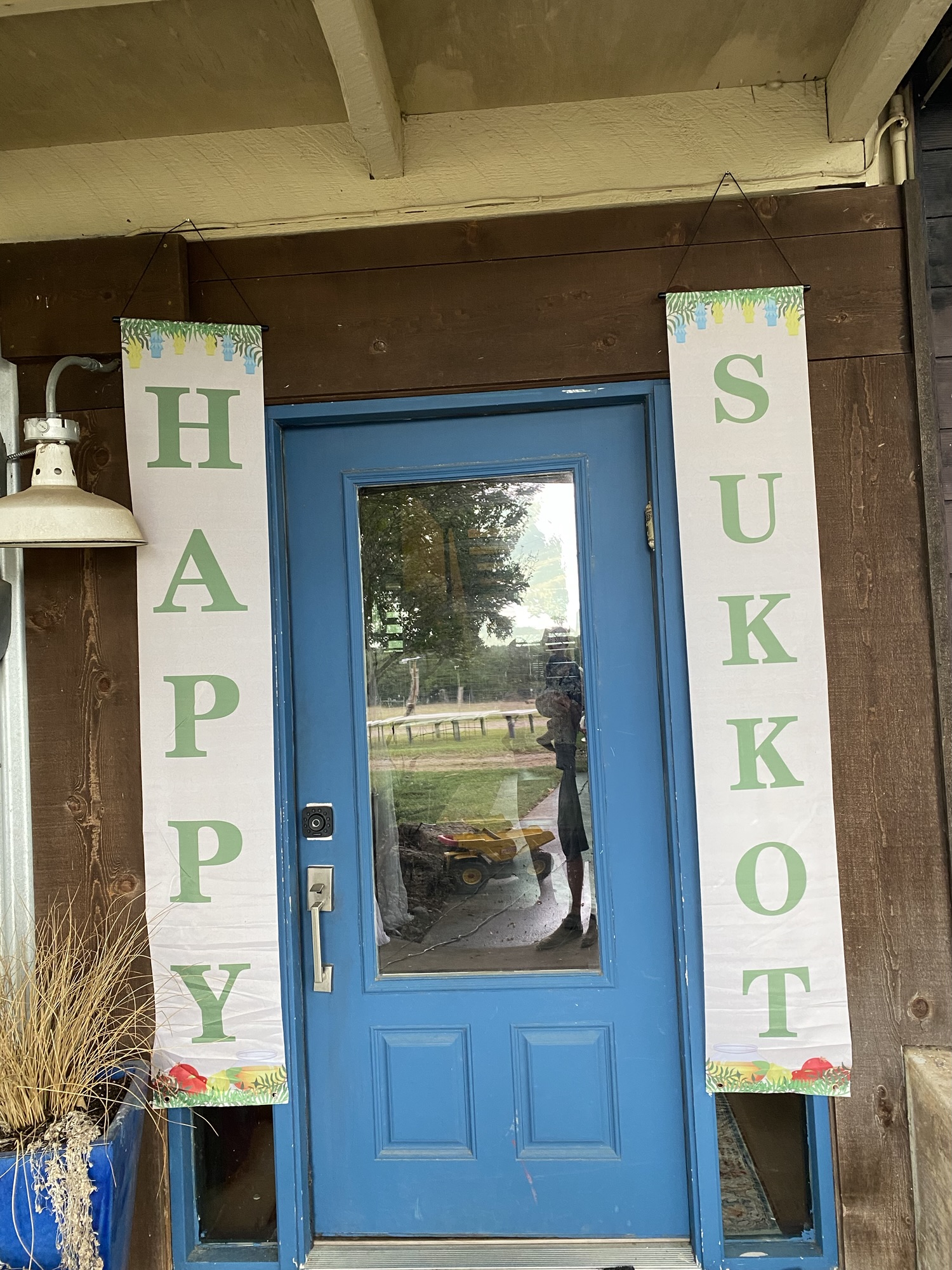
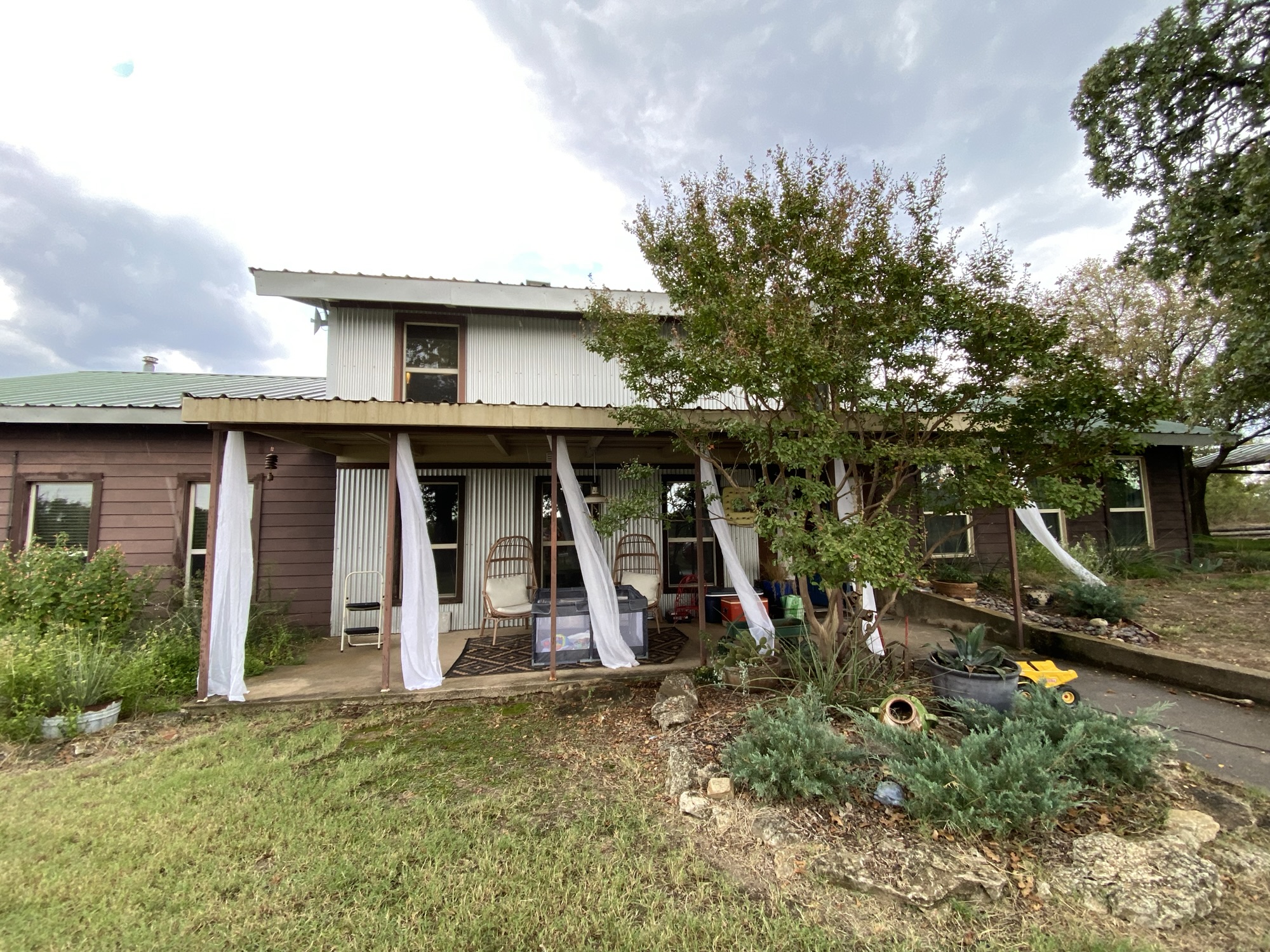

Remembering the Call to Dwell
Every year during Sukkot, I’m reminded that Yah’s instructions to dwell in temporary shelters are not just symbolic — they’re deeply practical. It’s one thing to read about the Feast of Tabernacles; it’s another to step into it, to feel the canvas of the sukkah flap in the wind, to wake up with the morning dew, and to realize how fragile and temporary our dwellings really are.
This year’s celebration felt like a continuation of that lesson. The feast invites us to let go of our normal routines and comforts, to step away from the world’s noise, and to intentionally dwell in His provision.
Simple Gifts and Hands-On Faith
In our family, we try to keep Sukkot focused on creativity, gratitude, and togetherness rather than consumerism. Each year, we exchange homemade gifts — things made with our own hands. This time, the table filled with simple but heartfelt creations: jars of pickled peppers, fresh bread, cookies, pimento cheese, and personalized mugs.
These gifts aren’t about cost or flash; they’re about heart. They remind us that Yah’s blessings flow through work, skill, and the joy of giving. Making something for another person with intention and love mirrors the way Yah provides for us.
We also took time to read, reflect, and pray together, keeping our focus on gratitude — for the land, the harvest, and the season of rest that Sukkot represents.
Matt’s Top Ten Sukkot Experiences
- Dwelling Under His Sukkah
Taking time out of our man-made sukkah to dwell under His protection and provision — a reminder that we are ultimately under Yah’s care, not just our own. - Jackson Trail Farm Website
Creating a family website where each child has a page. It’s a space to share family stories, gifts, and projects, reflecting our heritage and faith. - Handmade Family Gifts
Each family member contributed handmade items: pickled peppers, pimento cheese, cookies, and sourdough bread. These gifts reflect intentionality and the joy of giving. - Custom Family Cups and Keychains
Personalized cups covered in epoxy for durability and custom keychains helped celebrate the family and tie into the Jackson Trail Farm theme. - Family Meals and Feasts
Preparing and sharing meals together, including smoked roasts and home-cooked recipes, emphasized community, gratitude, and celebrating Yah’s provision. - Outdoor Movie Night
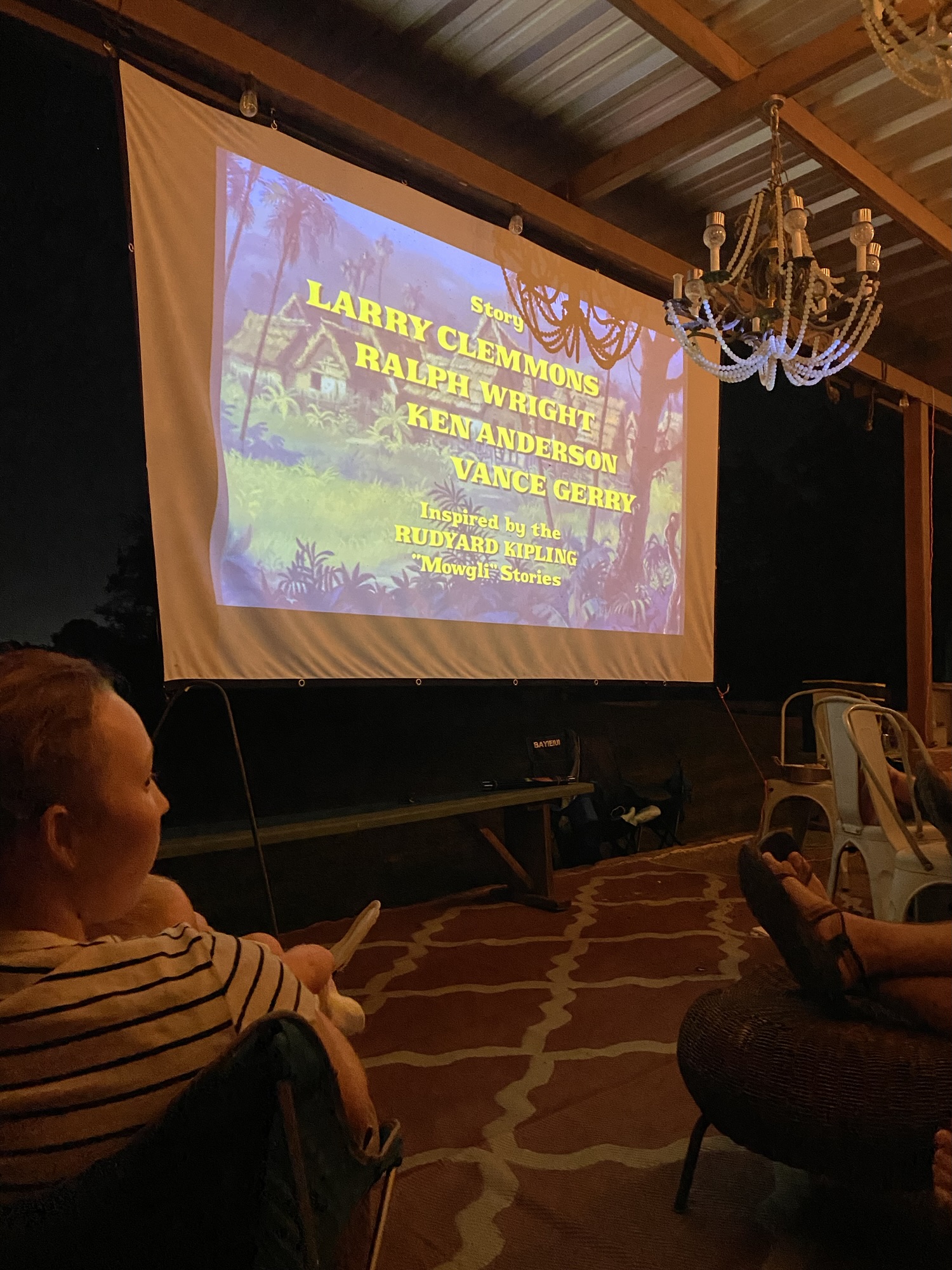
Hosting an outdoor movie screening of Disney’s Jungle Book to enjoy family togetherness. - Introducing Guests to Sukkot
Inviting friends and family who hadn’t experienced Sukkot before — creating opportunities to share the significance and joy of the feast. - Time with Young Children and Babies
Experiencing the energy of little ones running around, which brought fun and chaos, reminding us of the blessings and responsibilities of family life. - Reflecting on Provision and Protection
Studying scripture and exploring the meaning of “sukkah” as a woven hedge or protective covering reinforced the spiritual lessons of dependence on Yah. - Acknowledging the Harvest and Simplicity of Life
Spending time outdoors, appreciating the harvest, and experiencing simplicity connected us to the rhythm of creation and the biblical roots of Sukkot.

Matt Cook
Groundskeepter
of work and has unlocked insights we never thought possible.”
Building Community and Heritage
This year, Sukkot also marked the beginning of something new — the Jackson Trail Farm website. It started as a family idea, a place to share what we’re learning, doing, and growing together. In a way, it feels like a digital sukkah — a shared space where family, faith, and community come together.
Each project we take on during Sukkot becomes another way to build heritage. Whether it’s teaching the next generation how to work the land, create something useful, or share stories that carry meaning, these moments shape who we are as a family.
A Season Written on the Heart
One of the things I’ve noticed is that even people who don’t know about Sukkot seem drawn to something like it. You see it in the way churches host “harvest festivals,” families go camping, or communities gather at county fairs during the same time of year.
There’s something in our design that longs for this rhythm — to gather, rest, and celebrate the harvest. The Creator placed it in us, even if the world has rebranded it. Sukkot simply gives it back its biblical roots.
Sheltered by Yah’s Covering
The Hebrew word Sukkot means more than “booths” or “tents.” It carries the idea of a “woven hedge,” “covering,” or “protection.” That meaning deepens the celebration — because Sukkot isn’t only about what we build; it’s about what Yah builds around us.
Our tents may be temporary, but His shelter is eternal. Every stick, tarp, and rope we use is a small reflection of His greater protection — the hedge He places around those who trust Him. When we leave the comfort of our homes and step into something less certain, we physically act out faith.
Joy in Simplicity
I won’t pretend Sukkot is always easy. It can be hot, messy, full of stickers, bugs, and unpredictable weather. There’s always cleanup and a few “what were we thinking?” moments. But somehow, those challenges become part of the joy.
When we’re stripped of convenience, we notice more — the sound of the wind through the trees, the laughter of family, the stillness of morning. It’s in those moments that I realize: Yah doesn’t just ask us to celebrate — He invites us to remember that He covers us, He provides, and He sustains.
Leaving with Gratitude
As the feast came to an end, I left with a refreshed heart. Every year, Sukkot teaches me something new — about dependence, gratitude, and joy. It’s not about perfection; it’s about participation. Each sukkah, each prayer, each meal shared under the open sky is a small rehearsal of the Kingdom to come.
When the world feels uncertain, I look back at this feast and remember that the same Elohim who provided manna in the wilderness still provides for us today. We just have to step out of our comfort and dwell under His sukkah.
Final Thoughts
Sukkot calls us to slow down and remember that everything we have — every blessing, every harvest, every breath — comes from Him. It’s a time to rebuild not just physical tents, but spiritual ones. A time to dwell, rejoice, and be covered once again by Yah’s faithful provision.
| Scripture / Term | Root / Original | Meaning / Notes |
|---|---|---|
| Genesis 33:17 | Suka (H5521) | Jacob built booths for his cattle; “Suka” = tabernacle (12x), booth (11x), pavilion (5x), cottage (1x), covert (1x), tents (1x); temporary or rudimentary shelter. Plural: Succoth. |
| סוכות (Succoth) | Samech, root סכך (sakak) | Describes the creation of a hedge from interwoven strands; prickly branches interwoven to create a defensive hedge to hide behind and observe. |
| Jeremiah 35:5-10 | – | Rechabites obeyed ancestor Jonadab by living in tents and avoiding permanent structures, vineyards, or fields. Example of intentional tent dwelling and obedience. |
| Sucathites | סכך (sakak) | “Hedged-in people”; root meaning: to weave protection. Job 1:10 references a protective fence around a man and his possessions. |
| Hosea 2:8 | – | God provides grain, wine, olive oil, silver, and gold, but people misuse it; highlights reliance on God’s provision. |
| Ruth 3 | סוך (suk) / סיך (syk) | Verb: administration of oil for protection, also “to hedge in.” Nouns: אסוך (‘asuk) = oil flask, מסכה (mesuka) = hedge, משכה (mesukka) = hedge. |
| Ohel | H168 | KJV: tabernacle(s) (198x), tent(s) (141x), dwelling (2x), place(s) (2x), covering (1x), home (1x). Symbolic of wilderness life, transience, sacred dwelling, or tabernacle of Jehovah. |
| סוּךְ (sûḵ) | – | To anoint, pour in anointing (Qal); can mean to anoint oneself, anoint another, to be poured (Hiphil: to anoint). Related to protection and dedication. |
 Jackson Trail Farm
Leave a comment